Three decades on one hillside
1997
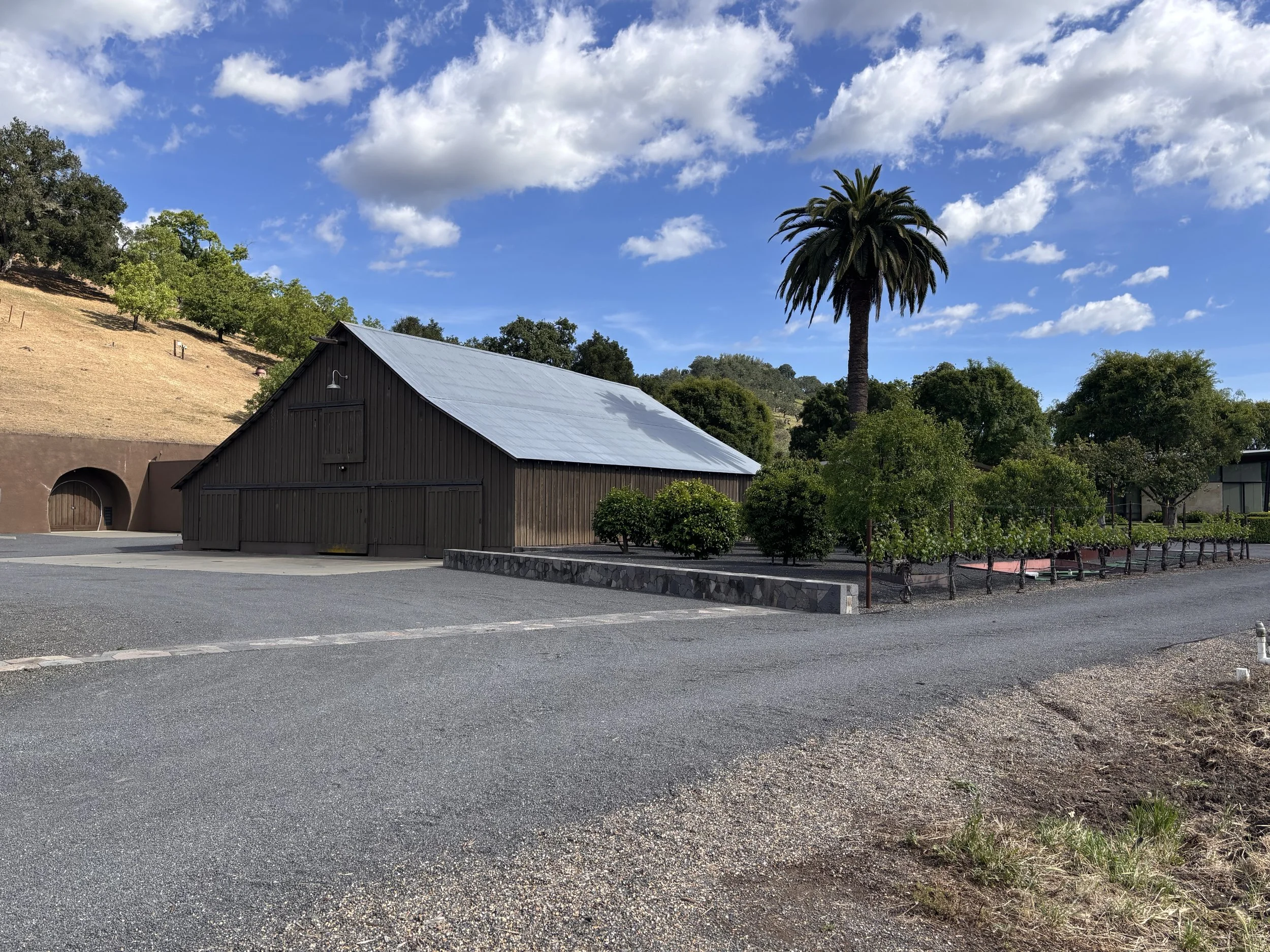
Bill Nemerever had been coming to Napa Valley since the 1970s, when the valley was still a quiet agricultural place that happened to make wine. By 1997 he was living in Boston and watching from a distance as Napa transformed into something else. That winter, his wife Ginger spotted an ad in the St. Helena Star: a ten-acre parcel for sale on Oakville Cross Road. They bought it the following year.
The vines
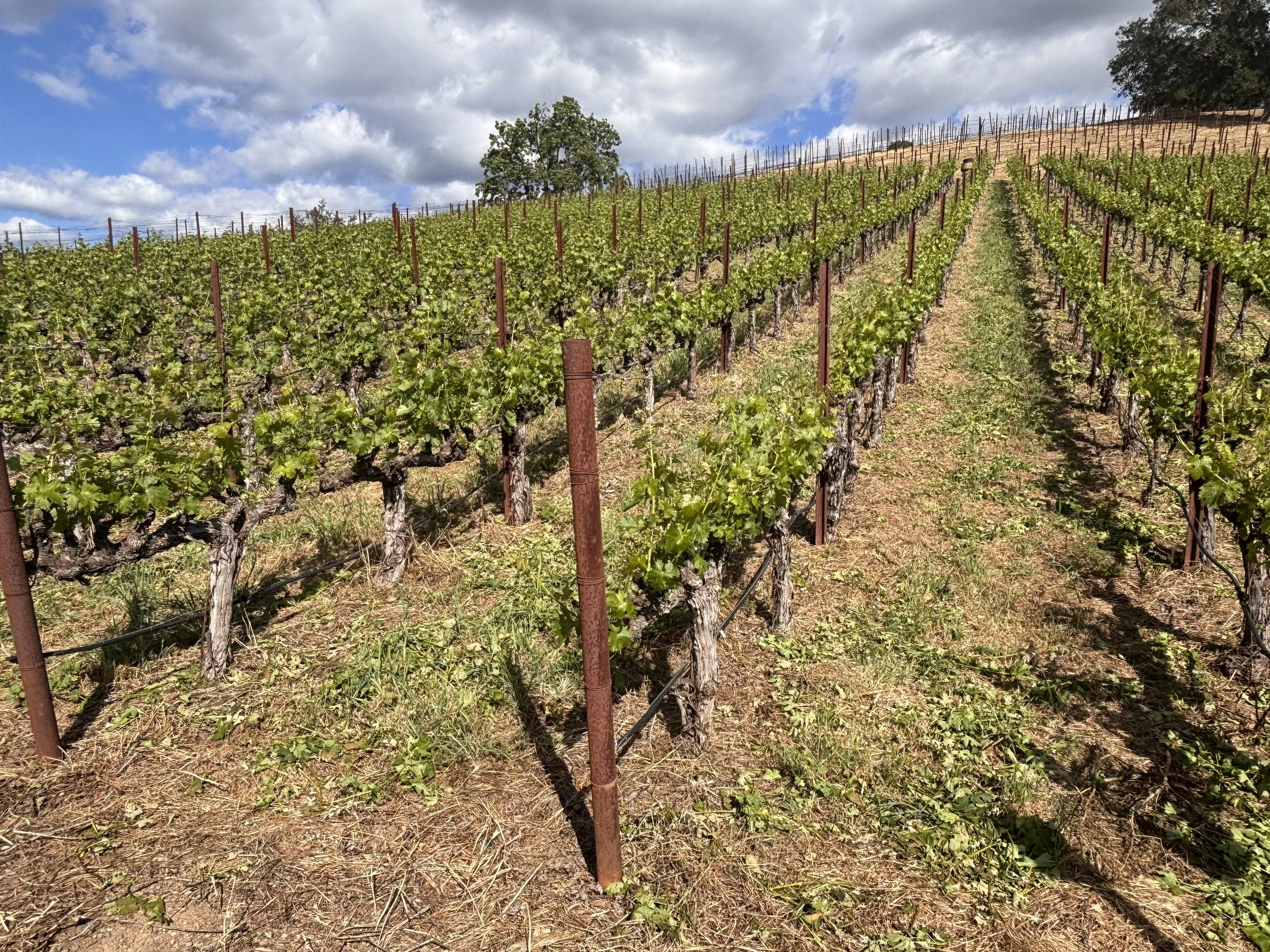
The property had been planted in 1992 with vines selected by Justin Meyer, the co-founder of Silver Oak, who had recommended Cabernet Sauvignon over the Pinot Noir that had previously struggled there. By the time the Nemerevers took ownership, the vines were five years old and beginning to settle into the hillside. Bill kept Meyer's plantings and never replanted. The wines that come from the estate today are still made from those original blocks.
The cave
Four thousand square feet of cave was dug into the hillside in the early 2000s. The cave does what a temperature-controlled room cannot: it holds the wine at a steady, low temperature year-round, with the kind of slow, even aging that small-batch Cabernet rewards. Every Nemerever vintage spends its early life in the cave before it is bottled, and the library that lives there now stretches back to the first release in 1998.
Two winemakers
Art Finkelstein made the wine from 1998 through 2014. The Finkelstein-era bottles are leaner, lower in alcohol, built for slow evolution — and the older ones drink beautifully now. Jeff Ames took over in 2015 and continues today. His wines are richer and more openly expressive on release while keeping the same structural backbone. Tasting them side by side, which the estate's library makes possible, is the clearest record of how Oakville Cabernet has shifted over thirty years and how this hillside has stayed itself through it.
Today
The estate still produces fewer than 250 cases a year. Bill hosts tastings personally when he is on the property. There are no tasting fees, no membership tiers, no velvet rope. The wines are sold by allocation to a small mailing list, and the library remains the most complete record of the estate's evolution. Nothing about how Nemerever operates has changed much in thirty years, and there are no plans to change it now.